A Learning Journey from Zero
Project Color emerged from a simple yet profound realization: while Project Drawing taught me the fundamentals of form and composition through monochrome vector art, there remained an entire dimension of visual expression waiting to be explored—the world of color.
Starting from zero knowledge of color theory, I embarked on a systematic learning journey. Each colored drawing became both a finished piece and a documented learning moment, tracked meticulously through version control. This approach transformed my creative process into a learning journal, where I could trace my progress, revisit decisions, and understand how my color perception evolved over time.
Color Wheel Mastery
Understanding relationships between hues, complementary colors, and harmonious palettes
ColorZilla Exploration
Learning to extract and analyze colors from the world around me through digital tools
Model Reusability
Building a library of forms from Project Drawing to focus purely on color experimentation
Version Control
Tracking every color decision, gradient adjustment, and palette evolution
Creative Workflow and Tools
My workflow evolved into a fluid exchange between different tools and perspectives. Starting with Inkscape for vector creation, I occasionally ventured into Blender to understand three-dimensional aspects of objects—how light interacts with surfaces, how shadows fall, how colors shift with perspective. These 3D explorations then informed my return to Inkscape, enriching my 2D colored drawings with insights gained from volumetric thinking.
Most of my works begin with a foundation from Project Drawing. I select one monochrome drawing for each subject, then reimagine it through the lens of color—transforming simple black lines into chromatic expressions of memory and perception.
Understanding Multiple Views
View selection became a crucial aspect of this project. While most of my drawings present front views for clarity and directness, I learned from 3D models to appreciate the various perspectives an object can offer. This understanding informs even my front-facing work, as I remain conscious of the dimensionality that exists beyond the chosen view.
From Monochrome to Color: A Visual Evolution
The transition from Project Drawing to Project Color reveals how color fundamentally transforms our perception of form. What begins as an exercise in line and shape becomes an exploration of atmosphere, emotion, and memory through chromatic choices.
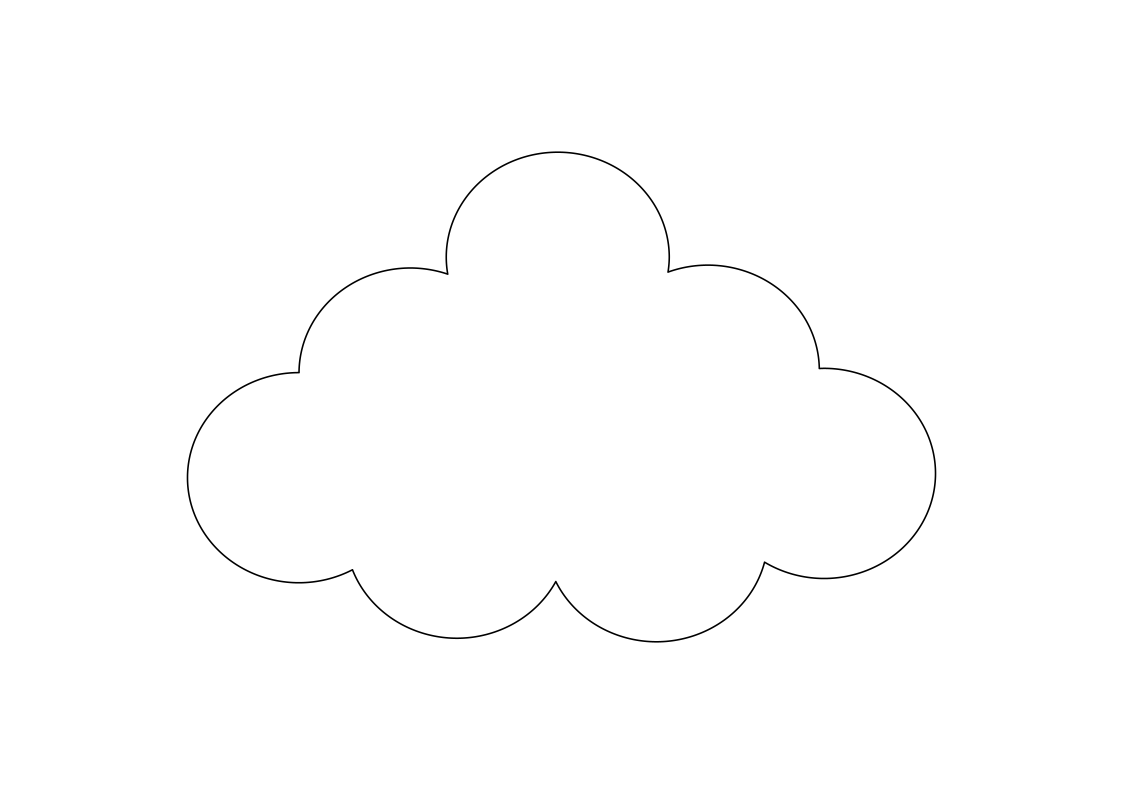
Pure form and composition
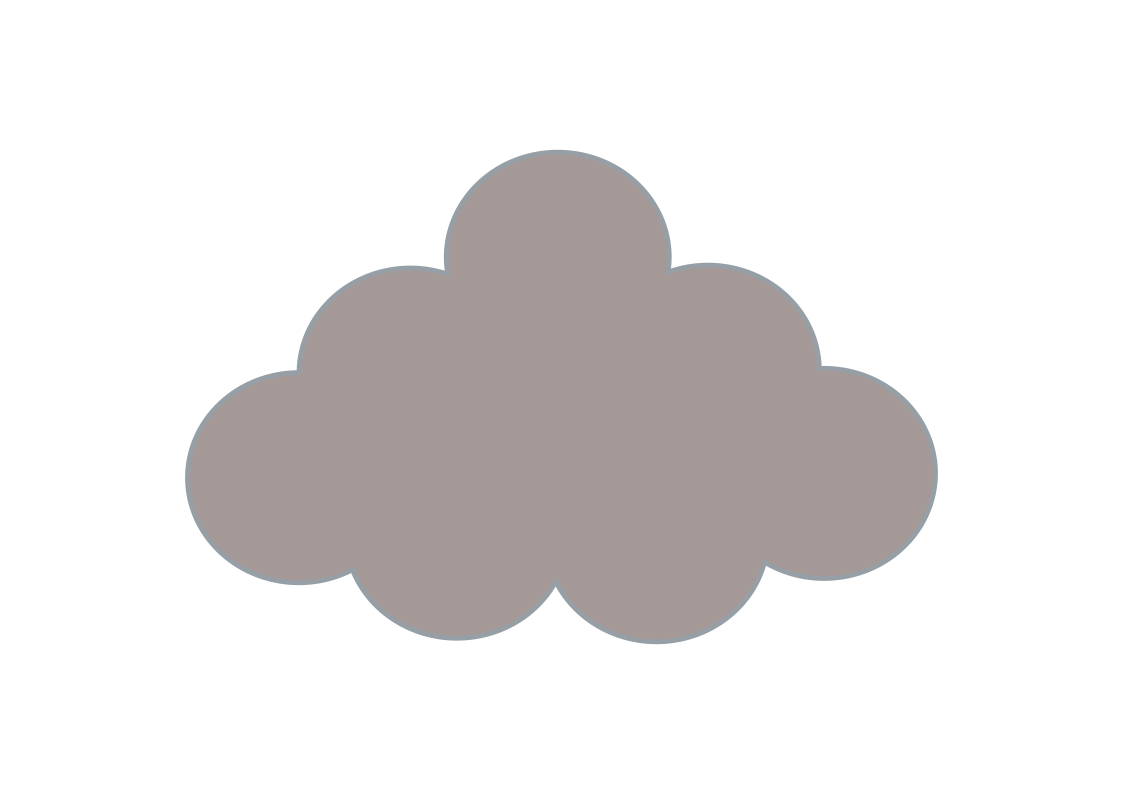
Atmospheric color expression
The cloud transformation exemplifies this evolution. The monochrome version focuses on shape and structure, while the colored version evokes sky, weather, time of day, and emotional atmosphere through careful palette selection.
Exploring Perspective and Dimensional Realism
While maintaining my preference for front views, I occasionally explored perspective drawing and coloring to create more realistic three-dimensional perceptions. These experiments taught me how color depth, gradient direction, and shadow placement contribute to dimensional illusion.
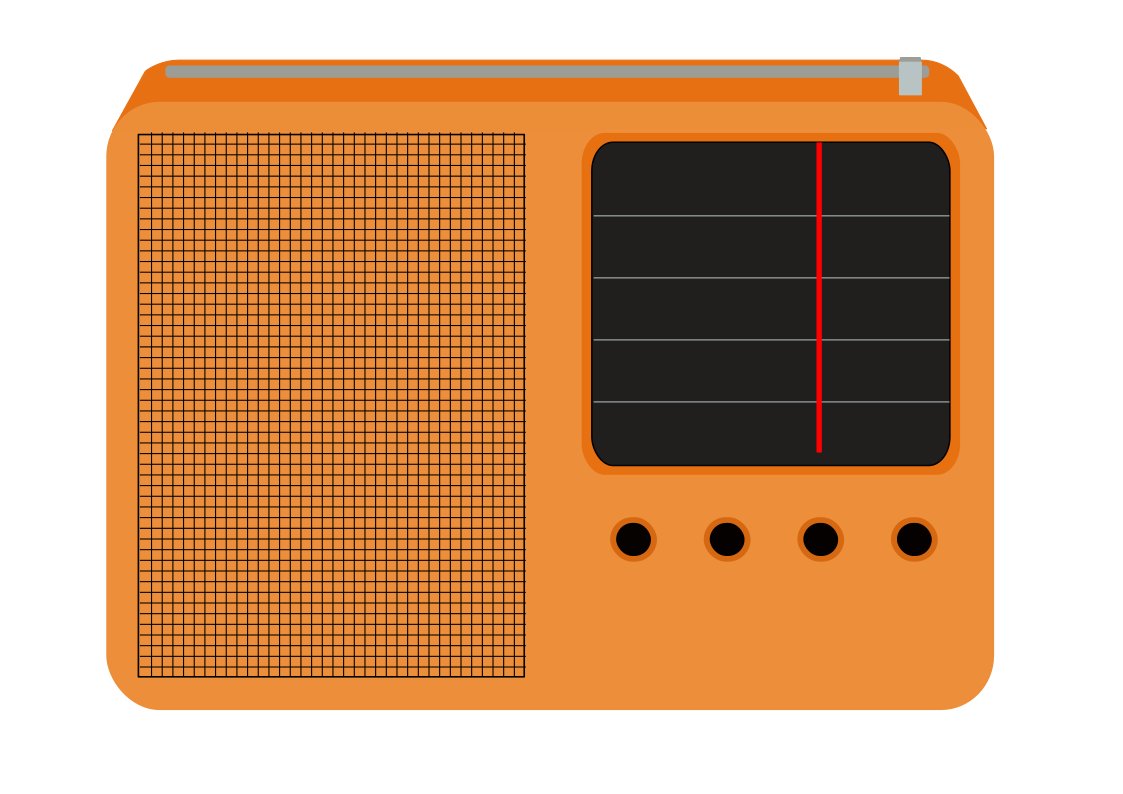
Direct, iconic representation
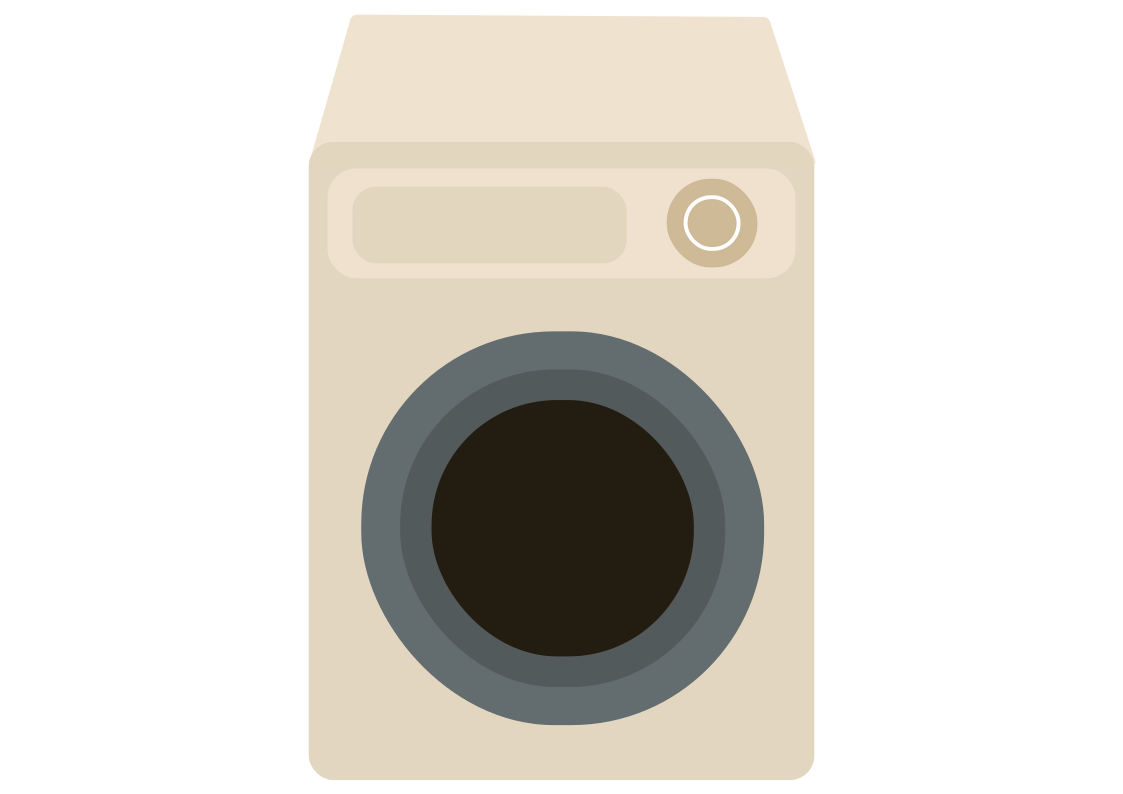
Household appliance study
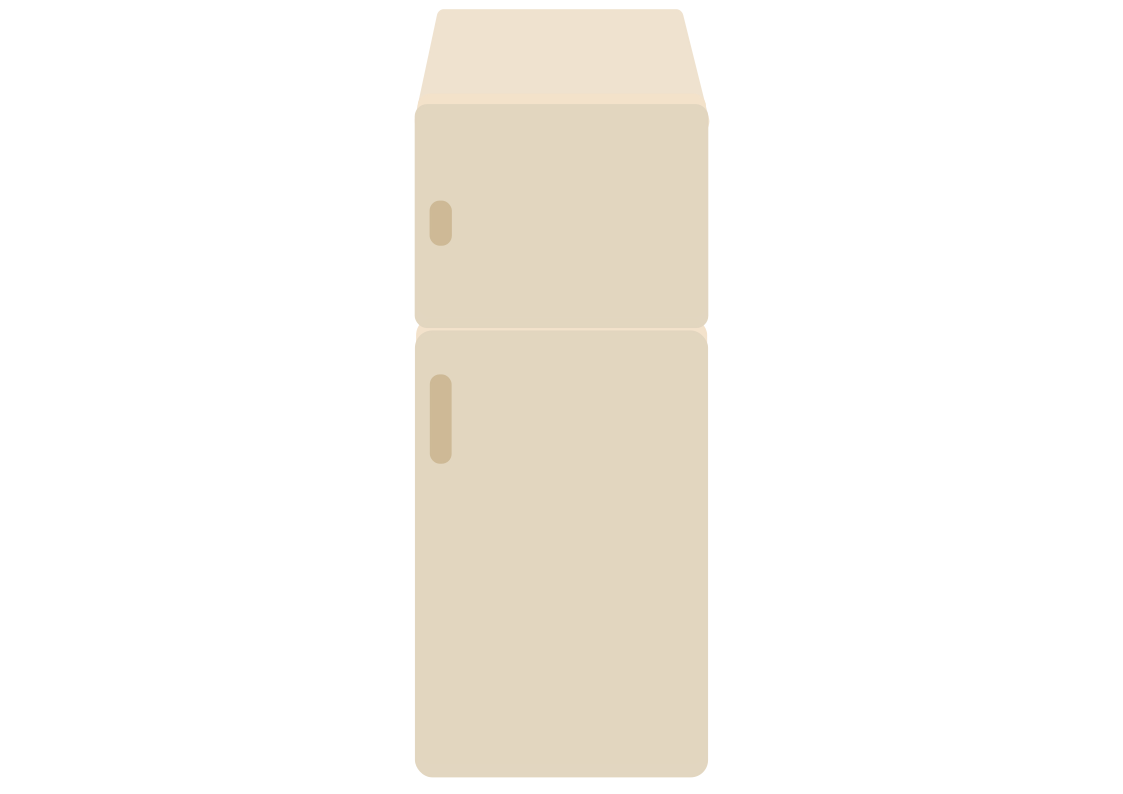
Exploring reflective surfaces
Light, Texture, and Material Properties
Some subjects demanded more sophisticated approaches to convey their essential nature. For instance, a crystal ball cannot be represented by simple flat colors—it requires careful attention to transparency, refraction, highlights, and shadows to communicate its material properties.
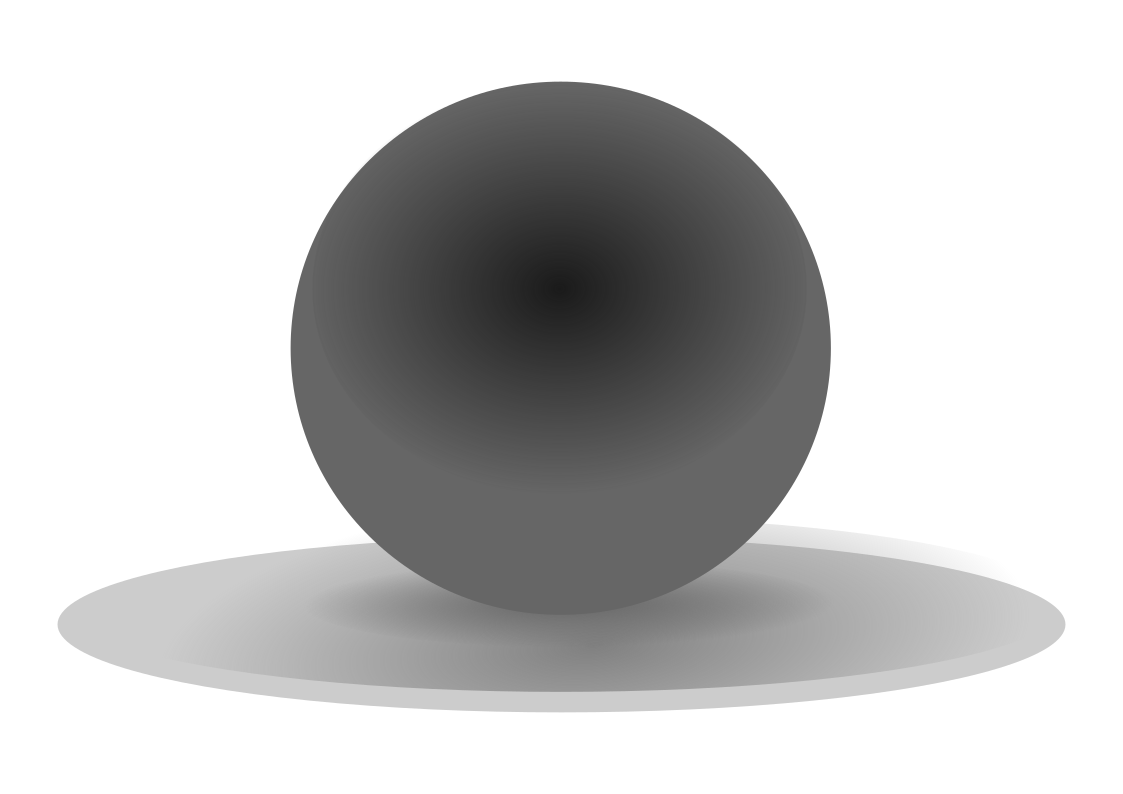
Exploring transparency and light refraction
Without these chromatic nuances—the gradients suggesting roundness, the highlights indicating reflective surfaces, the shadows anchoring the object in space—viewers would see only a simple circle. Color and shading transform geometric simplicity into recognizable objects with specific material characteristics.
Chromatic Nuance: The Drosera Study
The Drosera (carnivorous plant) drawing pushed my color exploration further, utilizing various nuances of green and yellow to capture the organic complexity of living plant tissue—from the vibrant greens of healthy leaves to the amber tones of digestive glands.
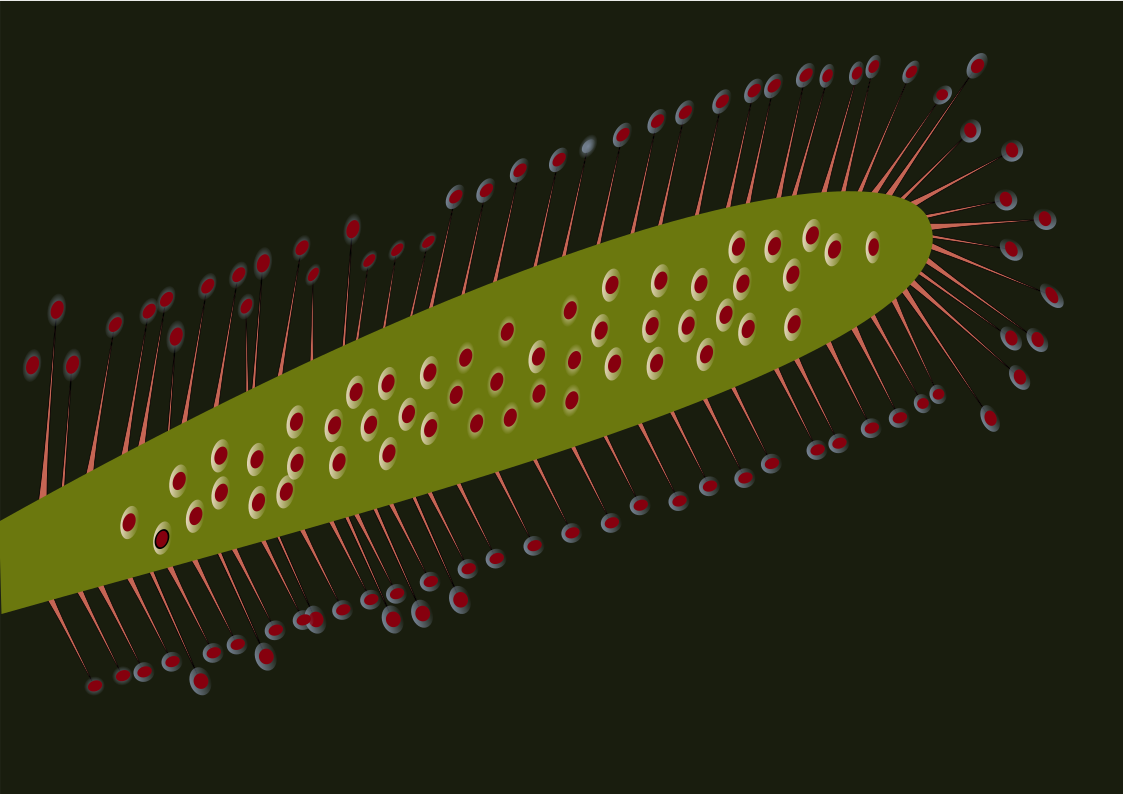
Exploring subtle chromatic variations in nature
Artistic Approach and Philosophy
"My colored drawings are predominantly classical 2D anime-style representations, occasionally incorporating perspective techniques to suggest three-dimensional realism. However, photorealistic accuracy is not the goal—rather, I seek to explore how color choices themselves become a language for expressing memory, perception, and emotional truth."
This project documents not just finished colored drawings, but a personal journey through chromatic learning. Each piece represents a moment in understanding—how colors interact, how they evoke feeling, how they transform simple shapes into meaningful representations of the world around us.
The true motivation behind Project Color lies in this exploration itself: discovering my own chromatic voice, building confidence in color selection, and understanding that personal color perception— however "naive" or unconventional—has value and meaning worth documenting and sharing.